Dental implants are the closest thing dentistry has to replacing a tooth with a tooth. When properly planned and placed, a well-executed implant restoration is functionally and aesthetically indistinguishable from a natural tooth — and it can last a lifetime. But the outcome depends entirely on the quality of the planning, the precision of the placement, and the protocols used to support healing.
What Is a Dental Implant?
A dental implant is a small titanium post — typically three to five millimeters in diameter — that is surgically placed into the jawbone where a tooth root once was. Over a period of weeks to months, the bone grows around and fuses with the implant surface in a process called osseointegration. Once integration is complete, a custom ceramic crown is attached to the implant, creating a restoration that looks, feels, and functions like a natural tooth.
The implant itself is never visible. What you see is only the crown — crafted from high-strength zirconia or porcelain, custom-shaded to match your surrounding teeth.
Who Is a Candidate?
Most healthy adults with missing teeth are candidates for dental implants. The primary requirement is sufficient bone volume to support the implant — and in cases where bone has been lost due to tooth extraction or periodontal disease, bone grafting can often restore the necessary foundation.
Patients with well-controlled diabetes, a history of smoking, or certain medications may require additional evaluation, but these are rarely absolute contraindications. The consultation process at Atlanta Dental Spa includes a 3D cone beam CT scan that allows precise assessment of bone volume, density, and the location of critical anatomical structures before any treatment is planned.
The Placement Process
Implant placement is a surgical procedure performed under local anesthesia. For patients with anxiety or those undergoing multiple placements, IV conscious sedation is available — allowing the entire procedure to be completed in a single, comfortable appointment with little to no memory of the experience.
The procedure itself typically takes thirty to ninety minutes per implant, depending on complexity. A small incision is made in the gum tissue, the implant is placed into the prepared bone site, and the site is closed. Most patients return to normal activity within a day or two.
PRF: Accelerating Healing with Your Own Biology
At Atlanta Dental Spa, every implant placement includes Platelet Rich Fibrin (PRF) therapy — a regenerative protocol derived from a small sample of the patient's own blood. The blood is centrifuged to concentrate growth factors and platelets, which are then applied directly to the surgical site.
PRF has been shown in clinical studies to reduce post-operative pain and swelling, accelerate soft tissue healing, improve bone density around implants, and lower the risk of complications. It adds only minutes to the procedure and costs nothing extra — at Atlanta Dental Spa, it is a standard part of every implant protocol.
The Healing Phase
Following placement, the implant requires a healing period of three to six months for osseointegration to complete. During this time, a temporary restoration may be placed to maintain aesthetics and function. At the end of the healing period, a final impression is taken and the permanent crown is fabricated.
For patients who have been missing teeth for an extended period, the bone may require grafting before or at the time of implant placement. This adds time to the overall treatment but does not change the final outcome.
All-On-X: Full Arch Restoration
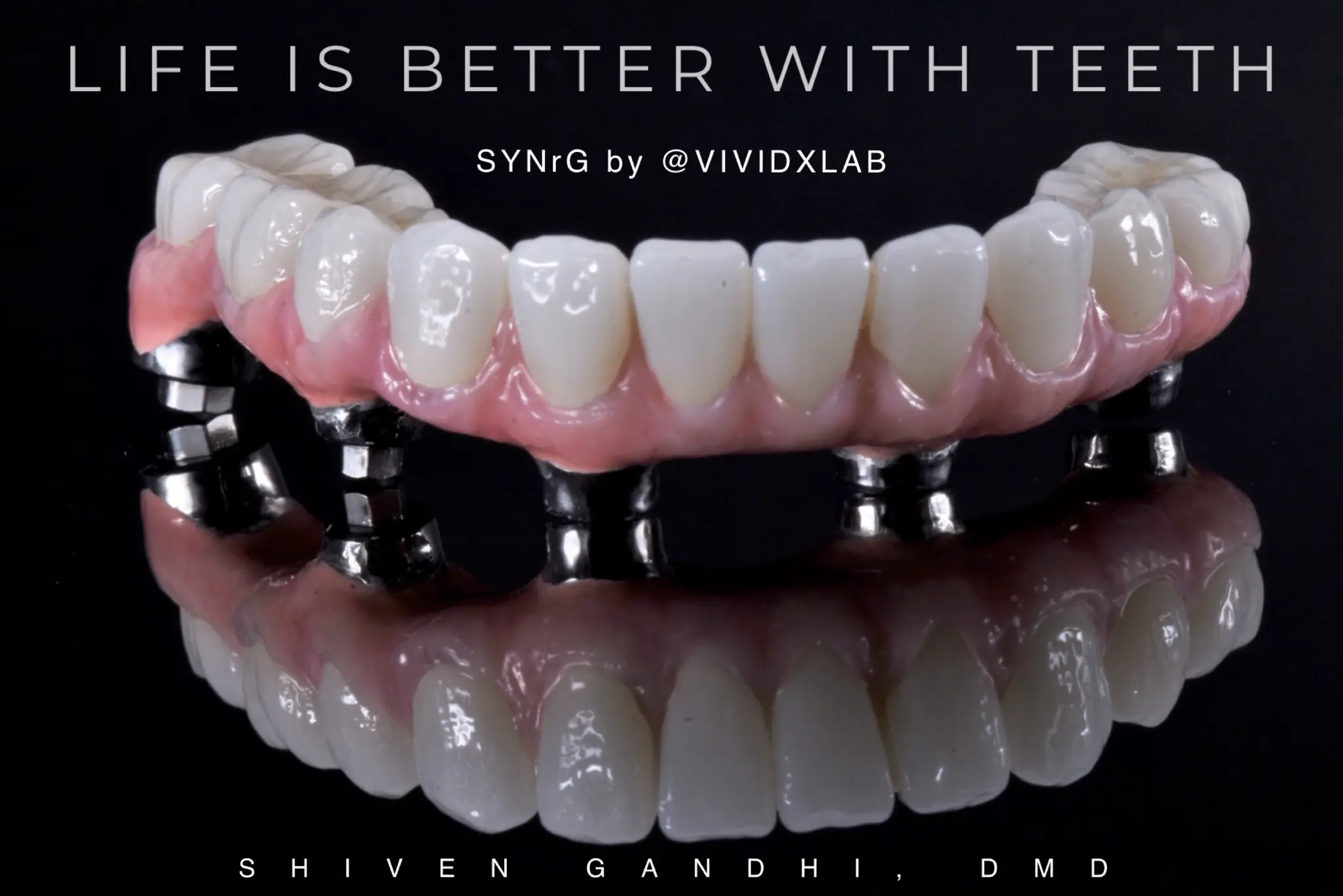
For patients who are missing all or most of their teeth on one or both arches, the All-On-X protocol offers a transformative solution. Four to six strategically placed implants support a full arch of fixed ceramic teeth — eliminating the need for removable dentures and restoring full chewing function and aesthetics.
The All-On-X procedure can often be completed in a single surgical appointment, with a temporary full arch restoration placed the same day. The final ceramic arch is delivered after the healing phase is complete.
Longevity and Maintenance
Dental implants, when properly maintained, can last a lifetime. The crown — like any ceramic restoration — may require replacement after fifteen to twenty years due to normal wear. The implant itself, once integrated, is typically permanent.
Maintenance is straightforward: brush and floss as you would natural teeth, attend regular hygiene appointments, and avoid habits that place excessive force on the restoration. Patients who grind their teeth should wear a custom night guard to protect both the implant crown and the opposing dentition.
If you are missing one tooth or many, dental implants offer a solution that no other restorative option can match. The consultation is the first step — and it costs nothing to find out whether you are a candidate.
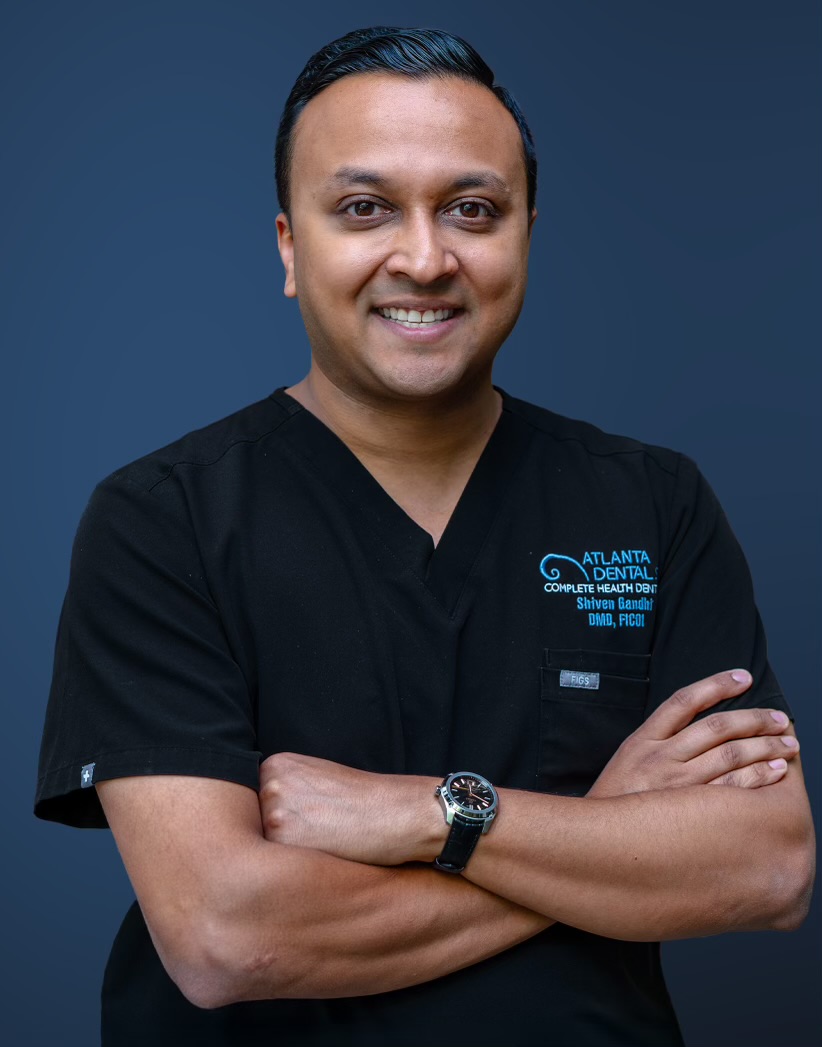
Explore Dr. Gandhi’s approach to replacing a tooth: immediate implants or socket preservation, 3D planning, custom gum shaping, a Biotemp test-drive, your final ceramic crown, and treatment timelines and investment.
Learn how Dr. Gandhi rebuilds worn teeth, gum health, and your bite together: detailed records, stabilization, a temporary-smile test-drive, master-ceramist ceramics, phased treatment, night-guard care, and investment.